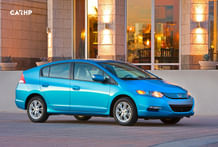
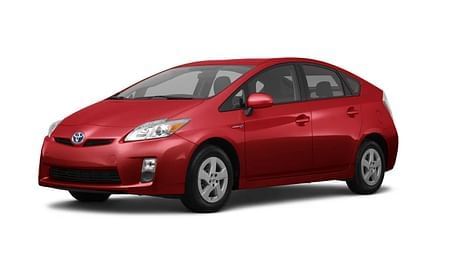


The Toyota Prius is quite a popular pick among the polar bear-friendly class and there seems to be no stopping anyone from buying this compact hatchback. Coming in its third generation avatar this year, the brand new Toyota Prius has accumulated a decent number of problems, 6 recalls and close to 400 user complaints to be exact, as of now. Given that the Prius runs on a complex powertrain configuration, the predicted reliability rating might not be on the general Toyota levels and things have high chances of going south when you least expect them to. Is it something to worry about though? Well, this section should give you a brief idea of that. With base asking prices of $22,120 the closest rival that the 2011 Toyota Prius has is the Honda Insight or even the Lexus CT200 h if you are willing to stretch the budget.
2011 Toyota Prius User Complaints and Problems
Mechanical Complaints
-
Engine problems- Though limited in number, the 2011 Toyota Prius has been reported to showcase a few engine problems. The major issues that have been reported are oil consumption issues and head gasket failures. This is a bit surprising for Toyota engines and the average failure mileage has been reported to be around 120,000 miles. The EGR valve on these units is also reported to fail (stick permanently open/close in this case) due to the excessive build-up of carbon in the plumbing. This issue usually throws an engine malfunction light and the diagnostic code read is P219A. Cleaning the unit may resolve the issue in some cases, if not you would be required to replace it.
-
Service brake- Brake actuator/brake booster failure is one of the most common problems reported on the 2011 Toyota Prius. Some indications of one or more braking components failing are a spongy brake pedal or increased braking effort combined with an ABS, traction control, and ‘Attention” warning lights. If diagnosed both the actuator and the booster will need to be replaced and the average repair cost is estimated to be just under $1,500.
Electric System complaints
-
Hybrid system problems- Internal circuitry overheating or overvoltage can lead to severalpowertrain issues on the 2011 Toyota Prius usually with a “Check hybrid system” warning on the central screen. The two separate causes for this issue as identified is due to overheating of an internal component in the battery inverter or voltage issues with the intelligent power control module. Both these issues have been considered under separate recalls (IDs-18V68400 and 14V053000) for software updating and inspection of affected components for suspected hardware issues.
-
Headlamp Failure- Frequently failing headlamp bulbs have been a constant hassle as reported by many 2011 Toyota Prius owners. Users are forced to replace these bulbs at their expense only to find them not functioning again a short while later. Recent updates show that the manufacturer has a TSB released on this problem covering all replacements under warranty. It also includes inspection and replacement of wiring harness for possible voltage fluctuations causing premature bulb failure.
Safety Complaints
-
Airbags Issues- A faulty occupant sensing system on the passenger seat on the2011 Toyota Prius may cause the airbag lights to turn off even when the seat is occupied. Also, the curtain airbags on certain batches of the 2011 Toyota Prius are suspected to crack preventing its proper deployment. Both problems have received separate recalls (Ids-16V487000 and 13V410000) for the replacement of the affected unit. However, delay in repair has been something that has been raising high criticism.
2011 Toyota Prius Recalls
|
S. No |
Date |
NHTSA ID |
Issues Noticed |
Additional Remarks |
Remedy |
|---|---|---|---|---|---|
|
1 |
4th October 2018 |
18V684000 |
The hybrid system may shut down a cause stall |
Excessive voltage in the Intelligent Power Module (IPM) within the inverter may cause the hybrid system to shut down, causing the vehicle to stall while being driven, increasing the risk of a crash. |
The dealers will update the software for the motor/generator control electronic control unit (ECU) and the hybrid control ECU as necessary, free of charge. The recall began on January 22, 2019. |
|
2 |
30th June 2016 |
16V487000 |
The curtain shield airbag inflator may crack |
A weld in the curtain shield airbag inflator may crack causing one or both portions of the inflator to eject into the passenger cabin, increasing the risk of severe injury. |
The dealers will install retention brackets to the curtain shield air bags, free of charge. The recall began on October 17, 2016. |
|
3 |
2nd June 2016 |
16V396000 |
Seat heater electrical wiring |
The electrical wiring in the seat heaters may be damaged when the seat cushion is compressed, which may cause it to short circuit and increase the risk of a fire. |
The dealers will disconnect the seat heaters, free of charge, and refund the purchase price of the seat heater accessory. The recall began on July 14, 2016. |
|
4 |
19th November 2014 |
14V743000 |
Seat heater electrical wiring |
The electrical wiring in the seat heaters may be damaged when the seat cushion is compressed, which may cause it to short circuit and increase the risk of a fire. |
The dealers will disconnect the heaters with copper strand heating elements and refund the purchase price of the seat heater accessory, free of charge. The recall began in January 2015. |
|
5 |
12th February 2014 |
14V053000 |
Inverter failure may cause the hybrid vehicle to stall |
A component within the hybrid inverter assembly may overheat, causing the hybrid system to reduce output power allowing the vehicle to only drive a short distance or shut down completely, increasing the risk of a crash. |
The dealers will update the software for both the motor/generator control electronic control unit (ECU) and the hybrid control ECU, free of charge. If an owner experiences a failure of the inverter before the vehicle receives updated software, the dealer will repair or replace the inverter assembly with a new one at no charge. The recall began on March 21, 2014. |
|
6 |
16th January 2013 |
13V014000 |
Occupant system sensing calibration |
During modification by SET to include accessories such as leather seat covers, seat heaters, or headrest DVD systems, these vehicles may not have had the passenger seat occupant sensing system calibration tested, causing it to not work as intended and increase the risk of injury in the event of a crash. |
Toyota will notify owners, and dealers will test the sensitivity of the occupant detection sensors, and recalibrate them as necessary. The recall began on March 21, 2013. |
Should you buy a used 2011 Toyota Prius?
Given its existence as one of the few sensible hybrid vehicles that one could get their hands on now, there is no voting against the Toyota Prius. Though it does not come as one of those pinnacle examples of Toyota resilience, the overall ownership experience dispensed by the manufacturer could be considered decent given the overall complexity of this compact hatchback. There are a few high mileage failure points to watch out for here, but maintain it well and there is hardly any chance that you would come across one. For those looking for a used example, we highly advised staying away from long-runners as complaints with the hybrid system, especially the battery would be expensive to replace.